
See a provider online for same-day seasonal allergies treatment
$29 / message visit | $49 / video visit


What You Need to Do
Select Your Concern & Book
Choose your health concern (like hair loss or weight) and answer a few quick questions. Pick a time that works for you.
Meet Your Provider
Chat or video call with a licensed provider who will assess your condition and prescribe treatment if needed.
Get Your Treatment
Get care for common conditions—and if medication is needed, prescriptions can be sent directly to your pharmacy or delivered to your door (where available).
Get Ongoing Support
Stay connected with follow-up care to track progress and adjust your treatment if necessary.
How Do I Know If I Have Seasonal Allergies?
Seasonal allergies — also known as hay fever or intermittent allergic rhinitis — are triggered by environmental allergens like pollen from trees, grasses, and weeds. These symptoms tend to follow a predictable pattern and often flare up during specific times of the year, such as spring and fall.
In contrast, persistent or perennial allergies occur year-round and are usually caused by indoor allergens like dust mites, mold spores, or pet dander. These ongoing exposures can result in chronic symptoms.
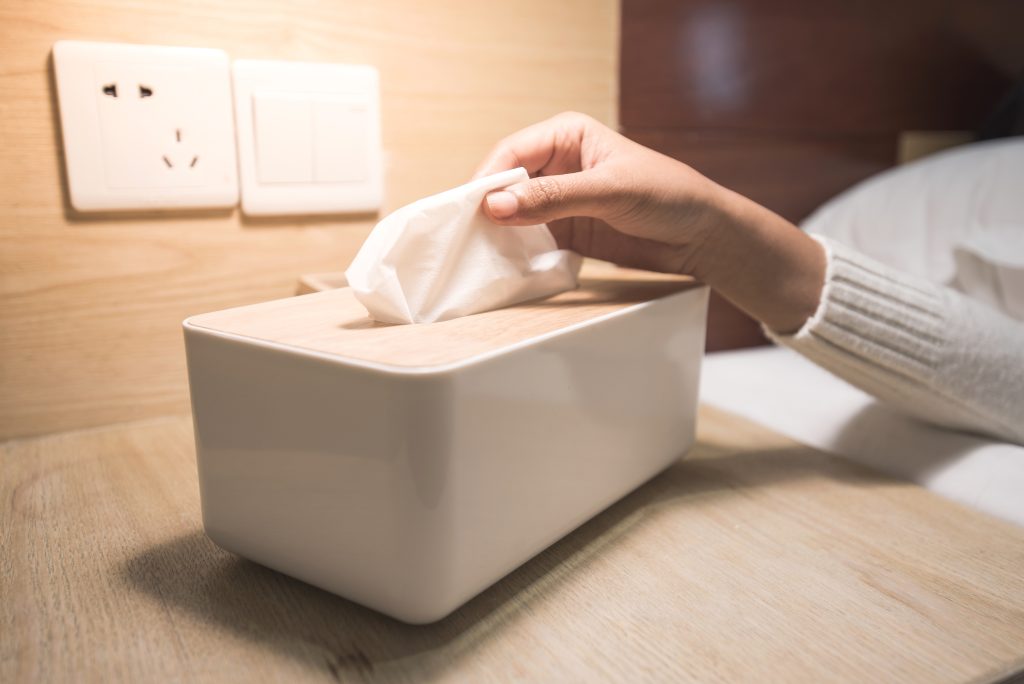
Types of Allergic Rhinitis
Both seasonal and persistent allergies fall under the umbrella of allergic rhinitis (AR), which affects the nasal passages and immune system response.
Common symptoms of AR may include:
Sneezing
Runny or stuffy nose
Itchy eyes, nose, or throat
Watery eyes
Fatigue or trouble sleeping due to congestion
Is Pay-per-Virtual visit right for you?
-
You’re between 18 and 64 years old
-
You’re experiencing mild to moderate allergy symptoms such as itchy or watery eyes, sneezing,runny or congested nose
-
You’re not pregnant
-
You’re not having a severe allergic reaction
Common Medications for Seasonal allergies
Your iVisitDoc provider will determine which (if any) allergy treatment is medically appropriate for you based on your symptoms and health history. If you’re prescribed medication, pick it up at a pharmacy of your choice.Prescriptions for allergy immunotherapy shots, dissolving tablets, oral drops, and oral vasoconstrictors like pseudoephedrine aren’t available through this service.
Allergy nasal sprays
Steroid (glucocorticoid) nasal sprays and H1 antihistamine nasal sprays are available over the counter (OTC).
• Azelastine (Astelin, Astepro)
• Azelastine-fluticasone (Dymista)
• Budesonide (Rhinocort)
• Ciclesonide (Omnaris)
• Fluticasone (Flonase)
• Ipratropium bromide (Atrovent)
• Mometasone (Nasonex)
• Olopatadine (Patanase)
• Triamcinolone (Nasacort)
Oral Antihistamines (Allergy Pills)
Antihistamines work by blocking histamine, a chemical released by the immune system during allergic reactions. These medications help relieve symptoms like sneezing, runny nose, and itchy eyes.
• Cetirizine hydrochloride (Zyrtec)
• Desloratadine (Clarinex)
• Fexofenadine (Allegra)
• Levocetirizine (Xyzal)
• Loratadine (Claritin)
Allergy eye drops
Allergic eye symptoms — also known as allergic conjunctivitis — can be treated with antihistamine eye drops to relieve itching, redness, and watering.
• Alcaftadine (Lastacaft)
• Azelastine (Optivar)
• Ketotifen (Alaway, Zaditor)
• Olopatadine (Pataday)
Leukotriene modifier
Some prescription medications used to treat asthma are also FDA-approved to manage seasonal and perennial allergic rhinitis (AR) symptoms.
• Montelukast (Singulair)
Pro Tip
Start with lifestyle adjustments—like avoiding trigger foods, elevating your head while sleeping, and eating smaller meals. Medications work best when paired with healthy habits.
Quick virtual visits, anytime
Your questions answered
iVisitDoc Care & Access
What are your telehealth options for seasonal allergy treatment?
iVisitDoc offers virtual visits with licensed providers who can evaluate your seasonal allergy symptoms and recommend appropriate treatments — including prescriptions, if medically necessary.
Can I use my health insurance for iVisitDoc Pay-per-Visit?
Coverage varies by plan. You may be able to use your health insurance for your Pay-per-Visit appointment. Check with your insurer or the iVisitDoc platform for details about eligibility and reimbursement.
What happens if my provider can't diagnose or treat my health issue through Pay-per-Visit?
If your provider determines that your condition requires in-person care or a different form of evaluation, they will guide you on the appropriate next steps and may refer you to local care.
What if I want to refill my medication?
If you’ve already received a prescription through iVisitDoc, you may be eligible for a refill. Log in to your account to request one, and your provider will review and approve it if appropriate.
Can I communicate with a provider after I get my Pay-per-Visit treatment plan?
Follow-up questions are welcome! You’ll receive instructions on how to message your provider or schedule a follow-up if you have concerns about your treatment plan.
How does iVisitDoc protect my health information?
iVisitDoc uses industry-standard encryption and follows HIPAA compliance protocols to ensure your health data is safe, secure, and kept private at every step of your care journey.
About Allergies
How do I know what type of allergies I have?
The best way to identify your allergy triggers is through a clinical evaluation, which may include reviewing your symptoms, history, and, if needed, allergy testing such as skin-prick tests or blood tests. Common types include seasonal allergies (pollen), perennial allergies (dust, pet dander), food allergies, and contact allergies.
When are seasonal allergies most common?
Seasonal allergies typically peak during spring and fall, when plants release pollen.
Spring: Tree pollen is a common trigger
Summer: Grass pollen is most prevalent
Fall: Weeds like ragweed dominate this season
Can I still go outside if I have seasonal allergies?
Yes, but it helps to limit exposure during high-pollen days.
Tips include:
Checking local pollen forecasts
Wearing sunglasses and a mask
Showering and changing clothes after being outdoors
What are some other strategies for controlling seasonal allergies?
Use HEPA filters in your home
Keep windows closed during peak pollen hours
Rinse nasal passages with a saline spray
Use OTC antihistamines or nasal sprays as needed
Talk to a provider about personalized treatment options
Are people with allergies more likely to experience other atopic diseases?
Yes. People with allergies may have a higher risk of developing other atopic conditions such as:
Asthma
Eczema (atopic dermatitis)
Food allergies
This is known as the atopic march, where allergic conditions can develop or progress over time.